Flood Damage Mold Remediation
Professional mold removal and remediation after flood damage in homes.
Flood damage in Schenectady homes often leads to hidden mold growth in walls, basements, and under flooring. Professional remediation involves containment, removal of contaminated materials, HEPA filtration, and moisture control to prevent regrowth. Licensed crews follow strict protocols to limit spore spread and address the root cause of dampness.
When flood damage needs professional mold remediation
Flooding can leave mold hidden behind walls, under flooring, or inside HVAC systems. If mold covers more than a small patch (about 25 square feet), keeps returning after cleaning, or produces a musty smell with no visible source, it’s time for professional help.
We also handle Glass Window Mold Removal and Brick Masonry Mold Treatment for Schenectady properties.
These signs indicate moisture is still present or growth is spreading beyond what can be safely cleaned by hand.
A musty odor that worsens when the HVAC runs suggests spores are circulating through ducts. Rooms that stay damp—like windowless bathrooms or basements—often need ongoing airflow or dehumidification even after remediation to prevent recurrence.
Signs You Need Flood Damage Mold Remediation
- Mold covers more than 25 square feet of a single surface (New York’s threshold for professional work).
- Growth returns within weeks after cleaning, even after scrubbing the same spot multiple times.
- A musty smell lingers with no visible mold, or gets stronger when the HVAC turns on.
- Dampness persists in a room despite fixing leaks or improving ventilation.
What affects the cost of flood damage mold remediation
Pricing depends on the size of the contaminated area, the type of mold (black mold typically costs more), and whether hidden growth is found during removal. Containment setup, HEPA air scrubbing, and clearance testing add to the cost but are essential for safe, effective work.
Skipping these steps can lead to higher long-term costs if spores spread or regrow.
Structural drying with industrial dehumidifiers and fixing moisture sources (like grading or downspout issues) may not be included in basic remediation quotes. Always confirm whether the estimate covers inspection, testing, containment, removal, and clearance testing—or just part of it.
What to ask before hiring a mold remediation crew
Not all quotes cover the same services. Ask whether containment, clearance testing, and moisture source repairs are included—or priced separately. A low estimate that skips these steps may leave hidden mold or spores behind. Always request a written scope of work before any demolition begins to avoid unexpected costs later.
New York law requires mold assessors and remediators to be separately licensed and barred from profiting from both steps on the same job. Verify the crew’s license directly with the NYS Department of Labor to ensure compliance.
| Question to Ask | Red Flag if... |
|---|---|
| Does the estimate include inspection, testing, remediation, and clearance testing? | The answer excludes containment or testing—these are critical for safety and effectiveness. |
| Is the square footage of treated area specified in the quote? | The estimate uses vague terms like ‘room’ or ‘area’ instead of measurable square footage. |
| Will a third-party lab confirm clearance after work? | The crew handles testing themselves, which creates a conflict of interest. |
| How are hidden mold findings priced if discovered during demolition? | Change orders are allowed after work starts—this can lead to higher costs. |
How flood damage mold remediation works
Professional remediation follows strict containment and safety protocols to prevent spore spread.
- 1Containment Setup
Plastic sheeting and negative-air machines seal off the work area before any material is disturbed. This keeps spores generated during removal from drifting into unaffected parts of the home.
- 2Removal of Contaminated Materials
Porous materials like drywall and insulation—where mold grows deep into the fibers—are cut out and bagged inside containment. Non-porous surfaces (framing, tile) are scrubbed and treated instead of discarded.
- 3HEPA Filtration and Cleanup
HEPA air scrubbers run continuously during removal, and surfaces are vacuumed with HEPA-filtered equipment. Standard shop vacuums or non-HEPA filters recirculate spores, worsening contamination.
- 4Structural Drying
Industrial dehumidifiers and air movers dry framing and subfloors to normal moisture levels before the space is closed up. Mold regrows on damp materials even after visible traces are removed.
- 5Clearance Testing
An independent lab tests air or surfaces after work to confirm spore counts are back to normal levels. This step ensures the job is complete before containment is removed.
Frequently asked questions
Can I clean small mold patches myself after a flood, or should I call a professional?
Small, isolated patches (under 10 square feet) can often be cleaned with detergent, water, and a HEPA vacuum. However, if the mold keeps returning, covers a larger area, or you smell it without seeing it, professional remediation is safer and more effective.
Why does my musty smell keep coming back after cleaning the visible mold?
A lingering smell usually means hidden mold in walls, under flooring, or inside ducts. Without addressing the moisture source (like a leak or poor ventilation) or removing contaminated materials, spores will regrow and release the odor again.
Do I need to fix the moisture problem before or after mold remediation?
The moisture source *must* be fixed during remediation—whether it’s a leak, condensation, or grading issue. Treating only the visible mold without solving the root cause will lead to regrowth within months.
How do I know if the remediation crew did the job right?
Ask for a post-remediation clearance test from an independent lab. This confirms spore levels are back to normal. Also check if the crew repaired the moisture source and used proper containment and HEPA filtration during work.
Where Schenectady sits, and what the Census lists nearby
Schenectady sits in New York, and the closest places listed in the U.S. Census Gazetteer are Niskayuna (2 miles east), Rotterdam (2.3 miles southwest), Scotia (2.6 miles northwest), East Glenville (4.2 miles north). Within 25 miles of Schenectady the same source lists 57 distinct incorporated places and census-designated places.
Those figures matter for flood damage mold remediation because they are straight-line distances between Census coordinate points: road mileage between Schenectady and Niskayuna runs longer than the 2 miles shown, which is why quotes for the same job differ between towns that look close together on a map.
Source: U.S. Census Bureau Gazetteer.
See Watervliet, NY for more, or explore everything on offer in Schenectady by service type for our complete lineup.
Ready to get started?
Talk to a local mold remediation pro in Schenectady — get a written quote.
Other Mold Remediation Services in Schenectady

Glass Window Mold Removal in Schenectady, NY
Professional removal of mold from glass windows and frames to restore clarity and prevent spread.
Learn More
Brick Masonry Mold Treatment in Schenectady, NY
Professional mold treatment and removal from brick masonry to restore structural integrity and indoor air quality.
Learn More
Stairwell Mold Remediation in Schenectady, NY
Professional mold removal and prevention in stairwells to restore safe, clean spaces.
Learn More
Sunroom Mold Remediation in Schenectady, NY
Professional removal and treatment of mold in sunrooms to restore a safe, clean space.
Learn More
Closet Mold Cleanup in Schenectady, NY
Professional cleanup and removal of mold from closets to restore safe, healthy spaces.
Learn More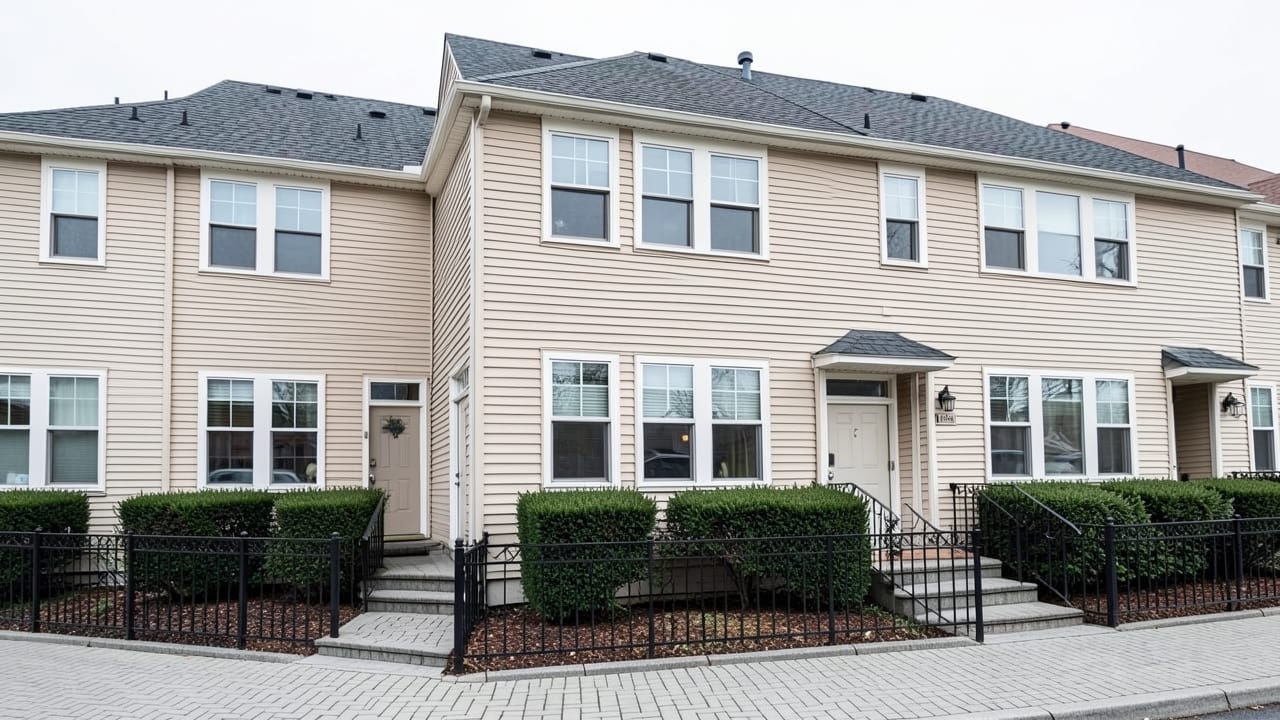
HOA Mold Remediation in Schenectady, NY
Professional mold removal and remediation for HOA properties to restore safe, healthy living conditions.
Learn MoreCommon Questions About Mold Remediation in Schenectady
Everything you need to know about mold remediation services in Schenectady
How much does Flood Damage Mold Remediation typically cost in Schenectady, NY?
Why does Schenectady, NY's humidity make mold a bigger risk than in drier regions?
Is black mold actually more dangerous than other mold types?
How long does a typical mold remediation job take?
Is it safe to stay in the home during mold remediation?
Can small mold problems be handled without hiring anyone?
Need Mold Remediation in Schenectady?
Connect with local providers in Schenectady for a detailed quote.
⏰ We answer your call • Serving all of Schenectady and surrounding areas