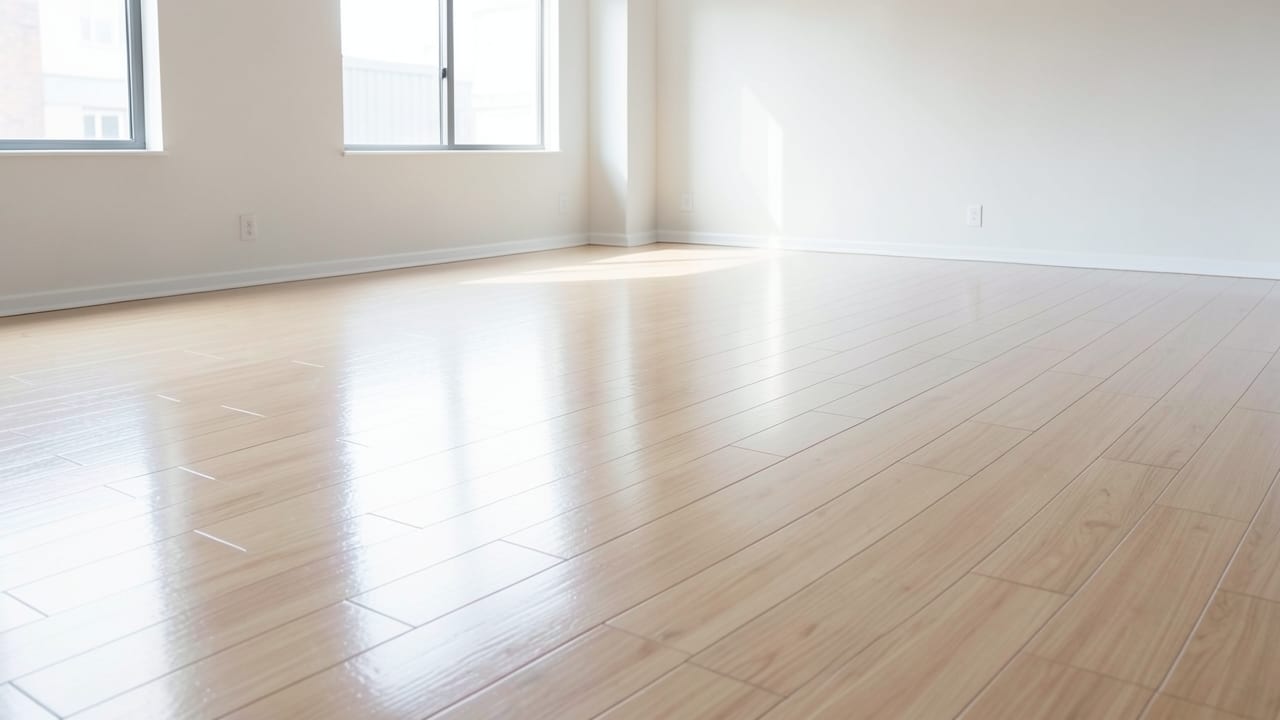
Vinyl Flooring Mold Treatment
Professional mold treatment and removal for vinyl flooring in homes.
Vinyl flooring mold treatment in Schenectady addresses hidden or surface mold growth beneath or on vinyl surfaces, requiring professional cleaning, disinfection, and moisture control to prevent regrowth.
This process targets both visible and hidden mold in subflooring or adhesive layers, ensuring a thorough resolution that meets New York’s strict mold remediation regulations.
We also handle HVAC Mold Remediation and Bathroom Mold Removal for Schenectady properties.
When is professional treatment needed?
Mold on vinyl flooring often signals a deeper moisture issue. If you notice mold covering more than a small patch, recurring after cleaning, or accompanied by a musty smell—especially when the HVAC runs—it’s time for professional help.
Hidden growth under flooring or in walls requires containment and specialized equipment to avoid spreading spores.
Rooms with poor airflow, like windowless bathrooms or basements, are high-risk areas. If mold keeps returning in the same spot, the moisture source likely hasn’t been addressed. Professional treatment includes fixing leaks, improving ventilation, and using industrial drying methods to prevent recurrence.
Signs You Need Mold Treatment
- Mold covers more than 25 contiguous square feet (New York’s threshold for professional work).
- Cleaning the same spot repeatedly doesn’t stop regrowth.
- A musty smell persists even after visible mold is removed.
- The odor worsens when the HVAC system turns on (indicating ductwork contamination).
- You see dark stains or discoloration beneath vinyl flooring or baseboards.
What affects pricing and scope?
Pricing for vinyl flooring mold treatment in Schenectady varies based on the size of the affected area, the severity of contamination, and whether black mold is confirmed. Containment, HEPA filtration, and clearance testing are standard steps that impact costs but ensure thorough remediation.
Additional factors include the need for structural drying, moisture source repairs, and whether hidden mold is discovered during removal. Always request a written scope of work to avoid unexpected charges or incomplete solutions.
New York’s mold remediation rules
New York’s Labor Law Article 32 requires licensed professionals for mold assessment and remediation. Contractors must hold state-issued licenses, carry $50,000 in liability insurance, and follow strict containment and testing protocols. The law also prohibits the same firm from assessing and remediating the same job, ensuring unbiased scope setting.
Post-remediation clearance testing by an independent party is mandatory to confirm spore levels return to normal. Skipping this step leaves no proof the mold was fully addressed, risking recurrence.
Avoid contractors who rush inspections, demand full upfront payment, or skip containment/clearance testing. These shortcuts can spread spores and lead to higher costs later.
How vinyl flooring mold treatment works
- 1Containment Setup
Plastic sheeting and negative-air machines seal the work area to prevent spores from spreading during removal. This step is critical for keeping contamination confined to the affected zone.
- 2Removal and Cleaning
Porous materials like drywall or carpet padding are cut out and bagged, while non-porous surfaces (vinyl, tile) are scrubbed and treated. HEPA-filtered equipment captures spores during the process.
- 3Structural Drying
Industrial dehumidifiers and air movers dry framing and subflooring to normal moisture levels, as mold regrows on damp materials even after visible traces are removed.
- 4Clearance Testing
An independent lab tests air or surfaces post-remediation to confirm spore counts are back to normal before containment is removed.
Frequently asked questions
Can I clean small mold patches myself, or should I call a professional?
Small, isolated patches (under 25 square feet) can sometimes be cleaned with vinegar or a bleach solution, but hidden mold or recurring growth means professional treatment is needed. DIY methods often miss spores beneath surfaces or fail to address moisture sources.
How long does the treatment process take?
The timeline depends on the size of the affected area and whether hidden mold or structural drying is required. Containment, removal, and drying can take 1–3 days, with clearance testing adding another 24–48 hours.
Will my vinyl flooring need to be replaced if mold is found underneath?
Not always. If the vinyl itself isn’t heavily saturated, professional cleaning and disinfection may restore it. However, if the adhesive or subflooring is mold-damaged, partial replacement or repairs may be necessary.
How can I prevent mold from coming back after treatment?
Fix the moisture source (leaks, poor grading, or humidity issues) and improve airflow in damp areas. Use dehumidifiers in high-risk rooms and monitor humidity levels for the first year to catch early recurrence.
Where Schenectady sits, and what the Census lists nearby
Schenectady sits in New York, and the closest places listed in the U.S. Census Gazetteer are Niskayuna (2 miles east), Rotterdam (2.3 miles southwest), Scotia (2.6 miles northwest), East Glenville (4.2 miles north). Within 25 miles of Schenectady the same source lists 57 distinct incorporated places and census-designated places.
Those figures matter for vinyl flooring mold treatment because they are straight-line distances between Census coordinate points: road mileage between Schenectady and Niskayuna runs longer than the 2 miles shown, which is why quotes for the same job differ between towns that look close together on a map.
Source: U.S. Census Bureau Gazetteer.
See Rensselaer, NY for more, or find out about our complete Schenectady service list by category for our complete lineup.
Ready to get started?
Talk to a local mold remediation pro in Schenectady — get a written quote.
Other Mold Remediation Services in Schenectady
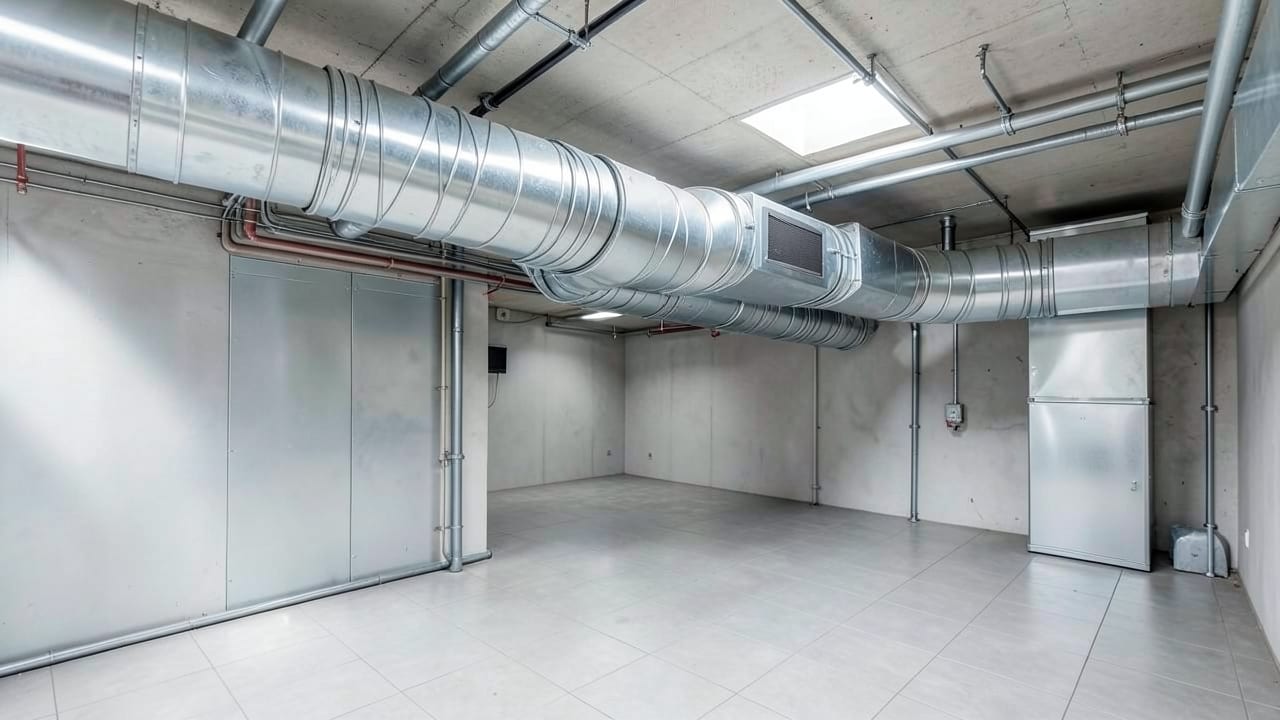
HVAC Mold Remediation in Schenectady, NY
HVAC and ductwork mold remediation in Schenectady, NY — mold growing inside the air handler or duct system, spreading through every vent.
Learn More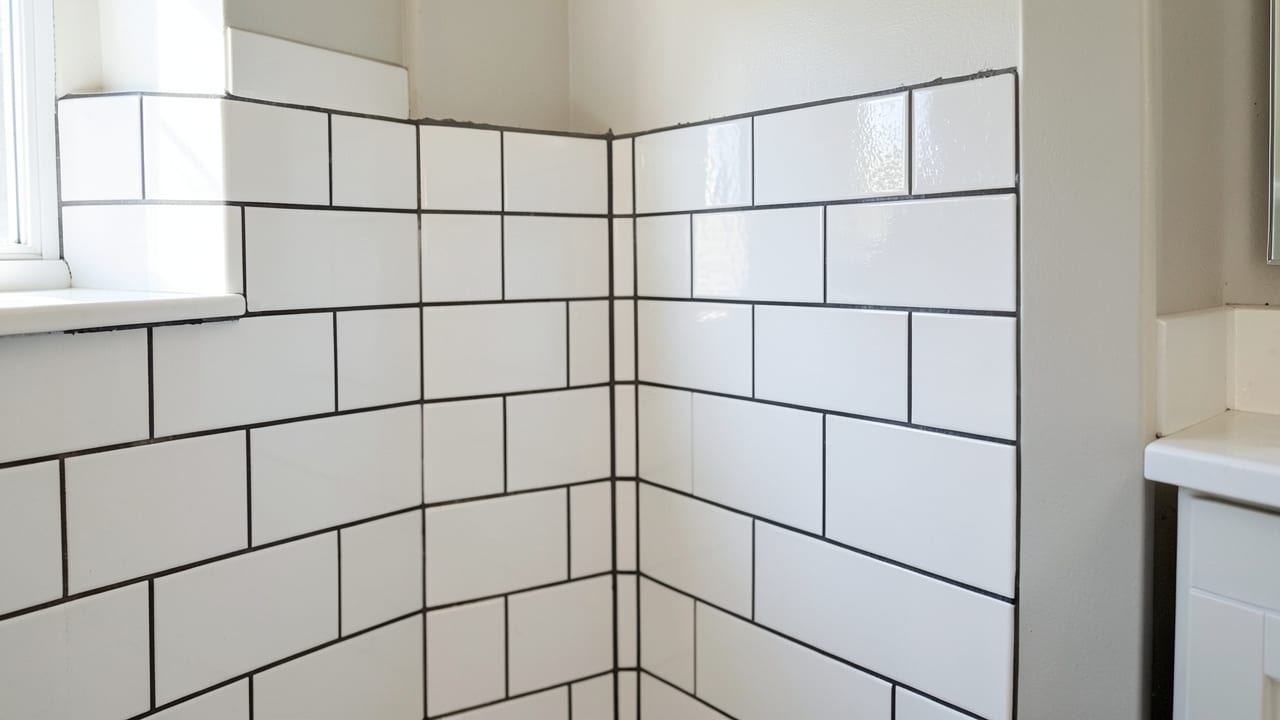
Bathroom Mold Removal in Schenectady, NY
Professional assessment and removal of mold in bathrooms to restore a safe, clean environment.
Learn More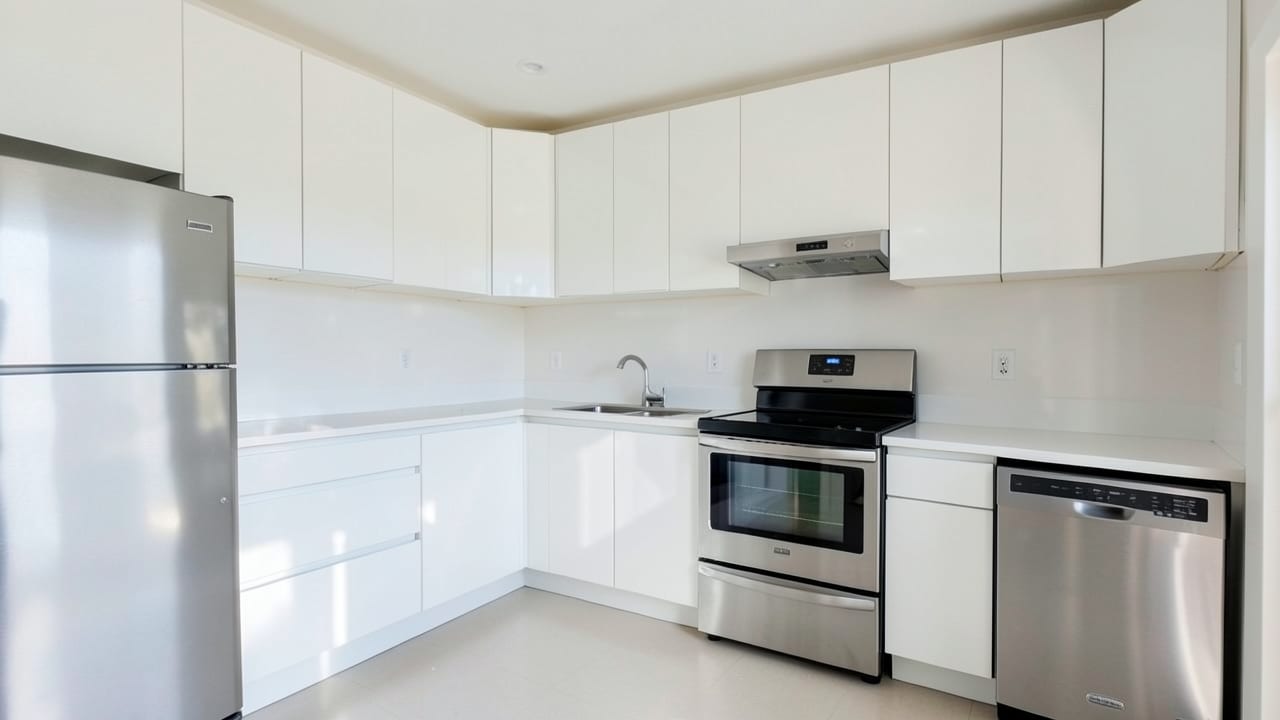
Kitchen Mold Cleanup in Schenectady, NY
Professional assessment and removal of mold in kitchen areas to restore a safe, clean environment.
Learn More
Carpet Mold Treatment in Schenectady, NY
Professional assessment and removal of mold growth from carpets to restore a safe indoor environment.
Learn More
Garage Mold Removal in Schenectady, NY
Professional assessment and removal of mold growth in garages to restore a safe, clean space.
Learn More
Laundry Room Mold Cleanup in Schenectady, NY
Professional mold removal and remediation in laundry rooms to restore a safe, clean space.
Learn MoreCommon Questions About Mold Remediation in Schenectady
Everything you need to know about mold remediation services in Schenectady
How much does Vinyl Flooring Mold Treatment typically cost in Schenectady, NY?
Why does Schenectady, NY's humidity make mold a bigger risk than in drier regions?
How does mold remediation actually prevent the problem from coming back?
Can mold growing inside HVAC ductwork spread to the rest of a home?
Does mold mean the same thing as mildew?
Does homeowners insurance typically cover mold remediation?
Need Mold Remediation in Schenectady?
Connect with local providers in Schenectady for a detailed quote.
⏰ We answer your call • Serving all of Schenectady and surrounding areas