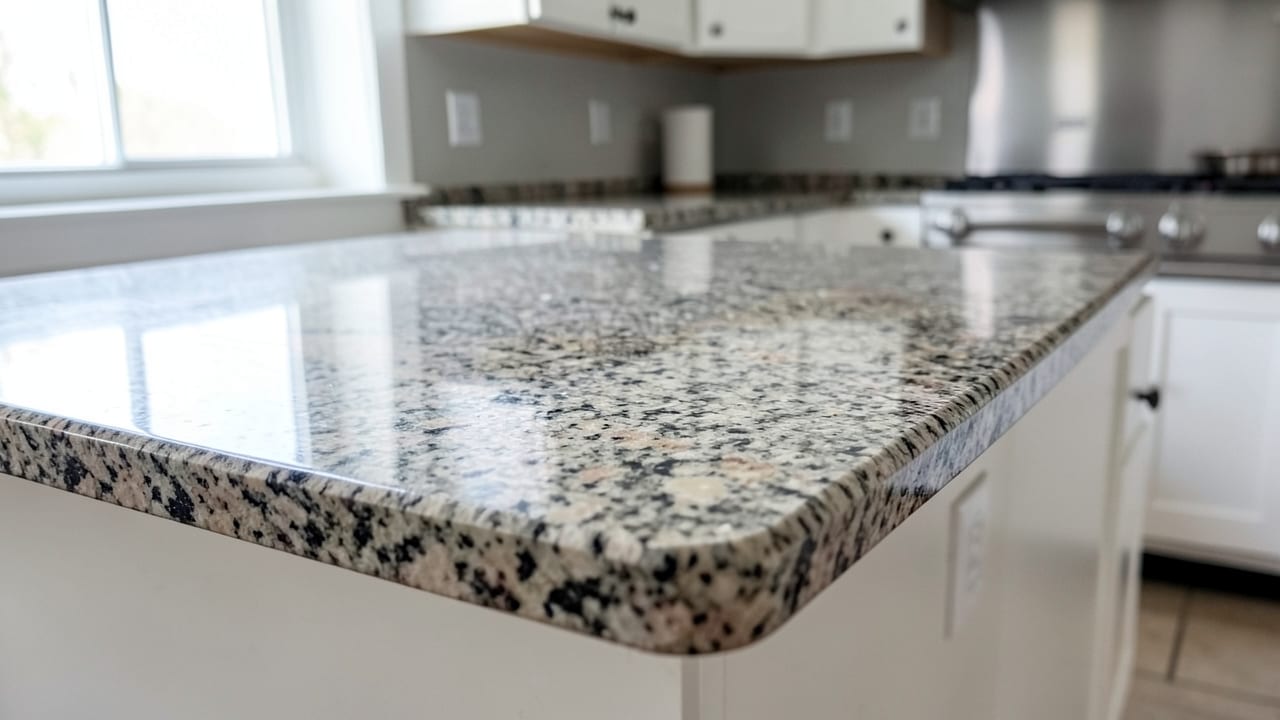
Stone Countertop Mold Removal
Professional removal of mold from stone countertops using specialized cleaning and treatment methods.
Mold on stone countertops like granite, marble, or quartz requires specialized removal to avoid damaging the surface while eliminating spores. In Schenectady, licensed professionals use containment, HEPA filtration, and moisture control to safely remediate affected areas, ensuring the finish remains intact and regrowth is minimized.
This process targets both visible growth and hidden moisture sources to address the root cause.
We also handle Vinyl Flooring Mold Treatment and Glass Window Mold Removal for Schenectady properties.
When to call for stone countertop mold removal
Stone countertop mold often starts as small, dark spots that spread if moisture persists. Unlike porous materials, stone surfaces can be cleaned without replacement, but deep stains or recurring growth signal a need for professional remediation.
Ignoring it risks permanent discoloration or damage to the sealant, which can cost more to repair later.
Homeowners should act if mold covers more than a small, isolated patch (typically over 25 square feet), keeps returning after cleaning, or emits a musty odor without visible signs. These are clear indicators that the moisture source hasn’t been addressed, and a deeper remediation is needed to prevent further damage.
Signs You Need Professional Mold Removal
- Mold covers more than a small, isolated patch (often over 25 square feet).
- Visible mold keeps returning in the same spot after cleaning.
- A musty smell persists even when no mold is visible.
- The stone surface feels damp or sticky to the touch, suggesting hidden moisture.
What affects pricing and timeline
Pricing for stone countertop mold removal in Schenectady depends on the size of the affected area, the type of stone, and whether hidden moisture sources need to be addressed.
Unlike flat-rate services, this work is typically priced per project after an inspection, as the scope can vary widely—from resealing a single countertop to treating multiple surfaces in a kitchen or bathroom.
Timelines also vary. Containment, HEPA filtration, and drying can take 1–3 days, while resealing or refinishing may require additional time. Clearance testing, done by an independent lab, is often a separate charge and ensures the work meets New York’s regulatory standards for mold remediation.
| Factor | Impact on Cost/Timeline |
|---|---|
| Size of affected area (square footage) | Larger areas require more containment, labor, and materials. |
| Type of stone (granite, marble, quartz) | Some stones need specialized sealants or refinishing after treatment. |
| Hidden moisture sources (leaks, poor ventilation) | Addressing these may extend the job and add to the cost. |
| Clearance testing requirement | Independent lab testing is often priced separately but ensures compliance with NY regulations. |
Why containment and testing matter
During stone countertop mold removal, containment prevents spores from spreading to other areas of the home. Plastic sheeting and negative-air machines seal off the work zone, while HEPA air scrubbers continuously filter the air to capture spores that might otherwise circulate.
Skipping these steps can turn a small job into a larger, more costly remediation.
Clearance testing, conducted by an independent party, verifies that spore levels return to normal after treatment. Without it, there’s no way to confirm whether the mold has been fully removed—or if hidden growth remains.
New York’s Labor Law Article 32 requires this step for licensed remediation work, ensuring accountability and safety.
A breach in containment—like an open door or torn plastic—can release spores into unaffected areas, turning a contained job into a larger, more expensive problem. Always ensure the crew follows proper containment protocols.
How stone countertop mold removal works
- 1Containment Setup
Plastic sheeting seals off the work area, and negative-air machines create a vacuum to keep spores from escaping. This step is critical to prevent cross-contamination in the rest of the home.
- 2Deep Cleaning with Mold-Specific Solutions
Non-porous stone surfaces are scrubbed with antimicrobial solutions designed to kill spores without damaging the finish. Porous materials like grout or caulk may need replacement if mold has penetrated deeply.
- 3HEPA Filtration and Drying
HEPA air scrubbers run continuously to capture airborne spores, and industrial dehumidifiers dry framing or subfloors to prevent regrowth. This step ensures moisture levels return to safe ranges before the area is sealed back up.
- 4Resealing or Refinishing (If Needed)
After treatment, stone surfaces may require resealing or refinishing to restore their appearance and protect against future moisture damage. This step helps the finish last longer but isn’t always necessary for every job.
- 5Clearance Testing
An independent lab tests air or surface samples to confirm spore counts are back to normal. This step is required by New York law and ensures the remediation was effective.
Frequently asked questions
Can I clean mold off my stone countertop myself, or should I call a professional?
Small, isolated patches can sometimes be cleaned with vinegar or a commercial stone cleaner, but deep stains, recurring growth, or musty odors signal a need for professional remediation. DIY methods often miss hidden moisture sources, leading to regrowth.
How long does the stone countertop mold removal process take?
The timeline varies, but containment, cleaning, and drying typically take 1–3 days. Resealing or refinishing may add extra time, and clearance testing is often scheduled separately. The total duration depends on the size of the affected area and whether hidden moisture needs to be addressed.
Will my stone countertop look the same after mold removal?
Professional treatment removes visible mold and restores the surface, but deep stains or damage to the sealant may require refinishing. The final appearance depends on the extent of the mold and the type of stone. Clearance testing ensures the surface is safe, even if minor discoloration remains.
What should I do to prevent mold from coming back after treatment?
Fix the moisture source—like a leak or poor ventilation—and use a dehumidifier in damp areas. Check humidity levels regularly in the first year, as stagnant air or lingering moisture can lead to recurrence. Proper maintenance helps the finish last longer.
Where Schenectady sits, and what the Census lists nearby
Schenectady sits in New York, and the closest places listed in the U.S. Census Gazetteer are Niskayuna (2 miles east), Rotterdam (2.3 miles southwest), Scotia (2.6 miles northwest), East Glenville (4.2 miles north). Within 25 miles of Schenectady the same source lists 57 distinct incorporated places and census-designated places.
Those figures matter for stone countertop mold removal because they are straight-line distances between Census coordinate points: road mileage between Schenectady and Niskayuna runs longer than the 2 miles shown, which is why quotes for the same job differ between towns that look close together on a map.
Source: U.S. Census Bureau Gazetteer.
See Duane Lake, NY for more, or take a look at the rest of our Schenectady lineup for our complete lineup.
Ready to get started?
Talk to a local mold remediation pro in Schenectady — get a written quote.
Other Mold Remediation Services in Schenectady
Vinyl Flooring Mold Treatment in Schenectady, NY
Professional mold treatment and removal for vinyl flooring in homes.
Learn More
Glass Window Mold Removal in Schenectady, NY
Professional removal of mold from glass windows and frames to restore clarity and prevent spread.
Learn More
Brick Masonry Mold Treatment in Schenectady, NY
Professional mold treatment and removal from brick masonry to restore structural integrity and indoor air quality.
Learn More
Stairwell Mold Remediation in Schenectady, NY
Professional mold removal and prevention in stairwells to restore safe, clean spaces.
Learn More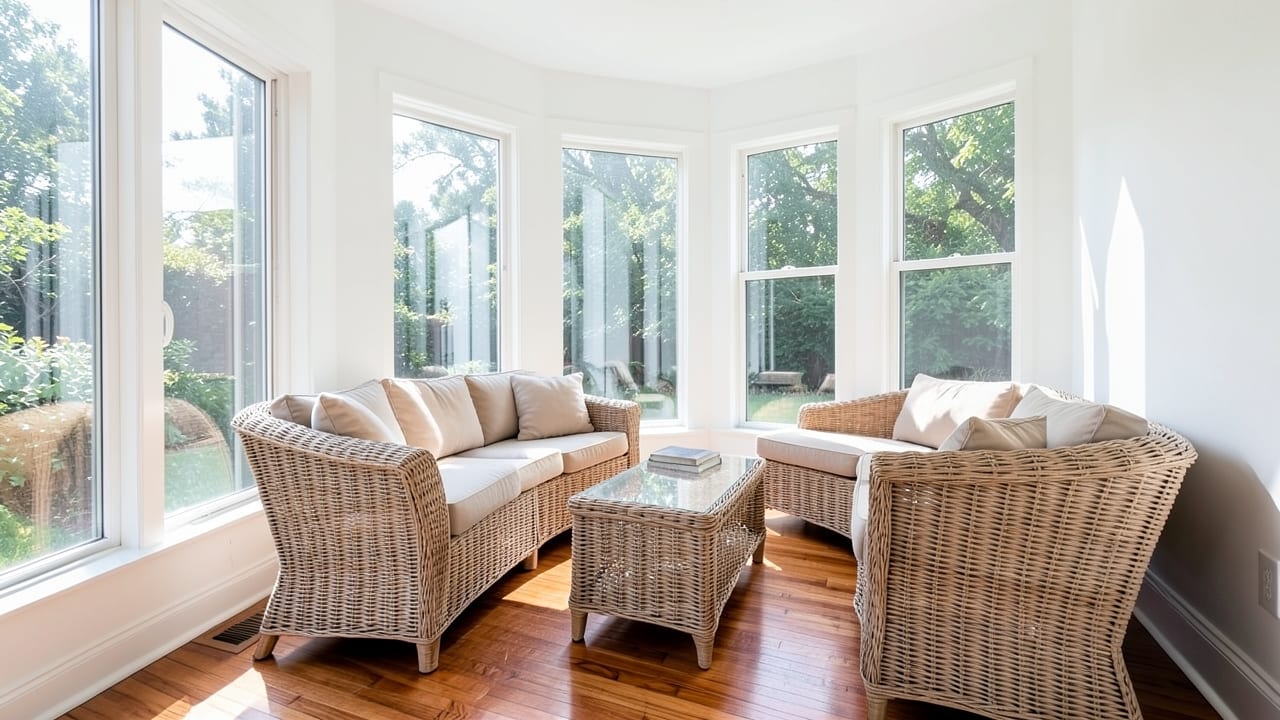
Sunroom Mold Remediation in Schenectady, NY
Professional removal and treatment of mold in sunrooms to restore a safe, clean space.
Learn More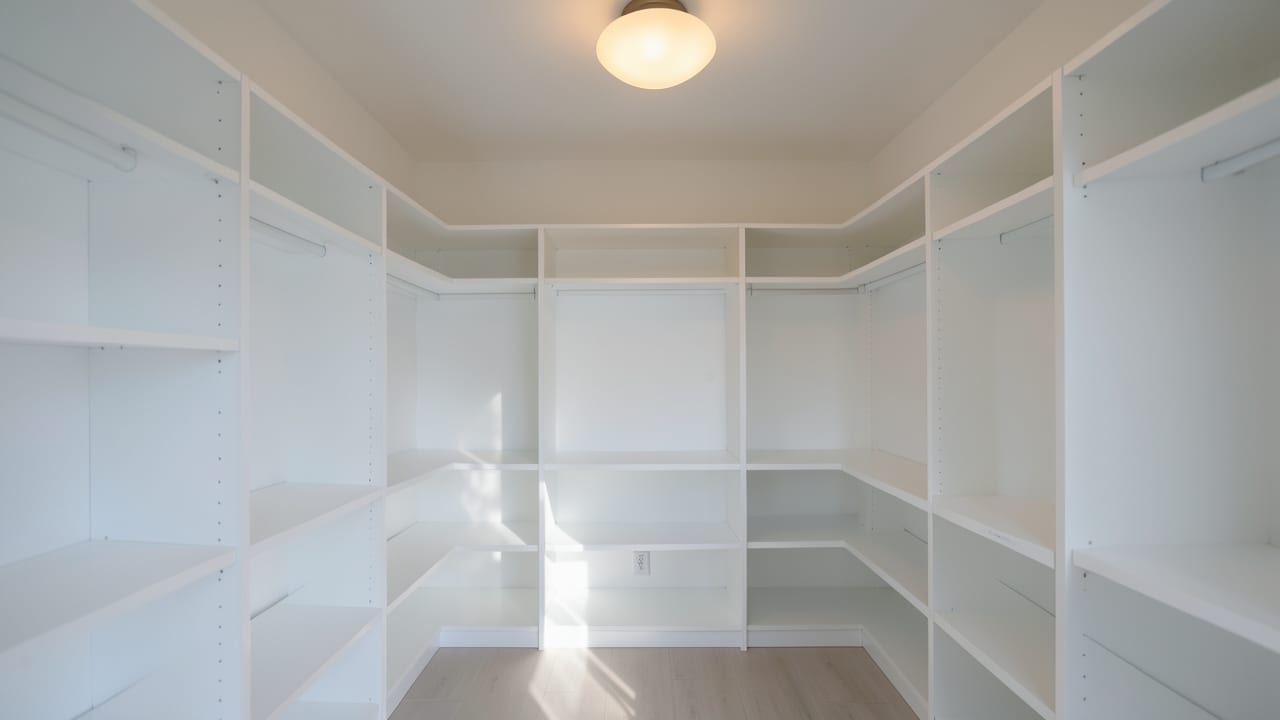
Closet Mold Cleanup in Schenectady, NY
Professional cleanup and removal of mold from closets to restore safe, healthy spaces.
Learn MoreCommon Questions About Mold Remediation in Schenectady
Everything you need to know about mold remediation services in Schenectady
How much does Stone Countertop Mold Removal typically cost in Schenectady, NY?
Why does Schenectady, NY's humidity make mold a bigger risk than in drier regions?
Is black mold actually more dangerous than other mold types?
How long does a typical mold remediation job take?
Is it safe to stay in the home during mold remediation?
Can small mold problems be handled without hiring anyone?
Need Mold Remediation in Schenectady?
Connect with local providers in Schenectady for a detailed quote.
⏰ We answer your call • Serving all of Schenectady and surrounding areas