
Apartment Mold Remediation
Professional mold removal and remediation for apartments to restore safe living conditions.
Mold in apartments can quickly spread if not addressed properly, requiring professional remediation to safely remove growth from walls, ceilings, and hidden spaces. In Schenectady, licensed technicians use containment, HEPA filtration, and moisture control to restore affected areas—without simply masking the problem.
Proper remediation includes fixing the source of dampness to help prevent regrowth, but no method can permanently eliminate the risk of future mold if conditions persist.
We also handle Pet Urine Mold Treatment and Storm Damage Mold Cleanup for Schenectady properties.
When mold needs professional removal
Mold covering more than a small patch, recurring after cleaning, or hidden behind surfaces often signals a deeper issue. In New York, growth exceeding 25 contiguous square feet typically requires licensed remediation under state labor laws, as DIY methods can spread spores or fail to address moisture sources.
A persistent musty smell or mold reappearing in the same spot usually means the underlying problem—like a leak or poor ventilation—wasn’t resolved.
Skipping professional containment and HEPA filtration can turn a contained job into a larger one, as spores released during removal may settle in unaffected areas. Without fixing the moisture source, remediation alone often leads to regrowth within months.
Clearance testing after work confirms spore levels return to normal, but results depend on proper execution and follow-up.
Signs You Need Mold Remediation
- Mold growth covering more than 25 square feet (New York’s threshold for professional work).
- Recurring mold in the same spot after cleaning, indicating an unresolved moisture issue.
- A musty smell with no visible mold, suggesting hidden growth behind walls or under flooring.
- Mold appearing in multiple rooms, especially if linked to HVAC systems or shared walls.
What affects cost and timeline
Pricing for apartment mold remediation depends on the square footage of affected areas, the type of materials (porous vs. non-porous), and whether hidden growth requires structural work. Containment, HEPA filtration, and clearance testing are typically billed separately, and labor costs rise if the property must be vacated during work.
Complex cases—like mold in ductwork or behind finished surfaces—often take longer and cost more due to additional containment and documentation needs.
New York’s Labor Law Article 32 requires licensed assessors and remediators for paid work, with assessors needing $50,000 in liability insurance. The law also prohibits the same party from assessing *and* remediating the same job, ensuring unbiased scope setting.
Always verify a contractor’s license directly with the NY State Department of Labor before hiring.
After remediation: what helps it last
Even after professional remediation, mold can return if moisture sources aren’t fixed or humidity isn’t managed. Rooms that stay damp—like windowless bathrooms or basements—benefit from small fans or dehumidifiers to improve airflow. Outside, grading issues or downspouts dumping near the foundation can reintroduce moisture, so these should be checked annually.
Monitoring humidity in the treated area for the first year helps catch early regrowth before it spreads.
Clearance testing confirms spore levels return to normal, but results vary with surface conditions and follow-up. Without addressing the root cause—like a leak or poor ventilation—the same materials may become reinfected. Post-remediation, focus on preventing moisture buildup to extend the finish.
| Issue | Likely Cause | Prevention Step |
|---|---|---|
| Recurring mold in one spot | Unfixed leak or condensation | Inspect plumbing, windows, and HVAC for moisture sources; repair leaks immediately. |
| Musty smell with no visible mold | Hidden growth in walls/ductwork | Schedule an assessment for hidden moisture; consider duct cleaning if HVAC-linked. |
| Mold in multiple rooms | Poor ventilation or shared walls | Use exhaust fans in bathrooms/kitchens; add dehumidifiers to damp areas. |
| Outdoor moisture seeping in | Grading or downspout issues | Check soil slope and redirect downspouts away from the foundation. |
How apartment mold remediation works
Professional remediation follows strict containment and filtration steps to safely remove mold and prevent regrowth.
- 1Containment Setup
Plastic sheeting and negative-air machines seal the work area to trap spores during removal, preventing them from spreading to other rooms via airflow.
- 2Material Removal or Cleaning
Porous materials like drywall or insulation—where mold grows deep—are cut out and bagged, while non-porous surfaces (tile, metal) are scrubbed and treated.
- 3HEPA Filtration and Drying
HEPA air scrubbers run continuously to capture airborne spores, and industrial dehumidifiers dry framing/subfloors to below 60% relative humidity before sealing the area.
- 4Clearance Testing
An independent lab tests air or surface samples to confirm spore counts return to normal levels before containment is removed.
- 5Moisture Source Fix
The underlying cause—like a leak, poor ventilation, or grading issue—is addressed to help reduce the risk of future growth.
Frequently asked questions
Can I clean small mold patches myself, or should I call a professional?
Small, isolated patches (under 10 sq ft) can often be cleaned with vinegar or a bleach solution, but growth covering more than 25 sq ft or recurring after cleaning usually requires professional remediation under New York law. Hidden mold or musty smells suggest deeper issues that may need structural work.
How do I know if my apartment’s mold is coming from a leak or poor ventilation?
Leaks often show as water stains or dampness near pipes, windows, or roofs, while poor ventilation causes persistent humidity in windowless rooms (like bathrooms or closets). If mold keeps returning in the same spot, the moisture source likely wasn’t fixed. A licensed assessor can identify the cause before remediation begins.
Will remediation remove mold from my HVAC system, or do I need separate duct cleaning?
If mold is suspected in ducts, containment during remediation may include HEPA-vacuuming vents and registers, but full duct cleaning by an HVAC specialist is often recommended for heavy contamination. A musty smell that worsens when the HVAC runs is a key sign of duct-related mold.
How long does it take to remediate an apartment, and can I stay there during the work?
Timelines vary by size and complexity—small jobs may take 1–2 days, while larger or hidden mold can extend to a week or more. Staying on-site depends on containment setup; some crews work after hours or in phases to minimize disruption. Always confirm the plan before booking.
Where Schenectady sits, and what the Census lists nearby
Schenectady sits in New York, and the closest places listed in the U.S. Census Gazetteer are Niskayuna (2 miles east), Rotterdam (2.3 miles southwest), Scotia (2.6 miles northwest), East Glenville (4.2 miles north). Within 25 miles of Schenectady the same source lists 57 distinct incorporated places and census-designated places.
Those figures matter for apartment mold remediation because they are straight-line distances between Census coordinate points: road mileage between Schenectady and Niskayuna runs longer than the 2 miles shown, which is why quotes for the same job differ between towns that look close together on a map.
Source: U.S. Census Bureau Gazetteer.
See Cohoes, NY for more, or Schenectady's local mold remediation experts for our complete lineup.
Ready to get started?
Talk to a local mold remediation pro in Schenectady — get a written quote.
Other Mold Remediation Services in Schenectady
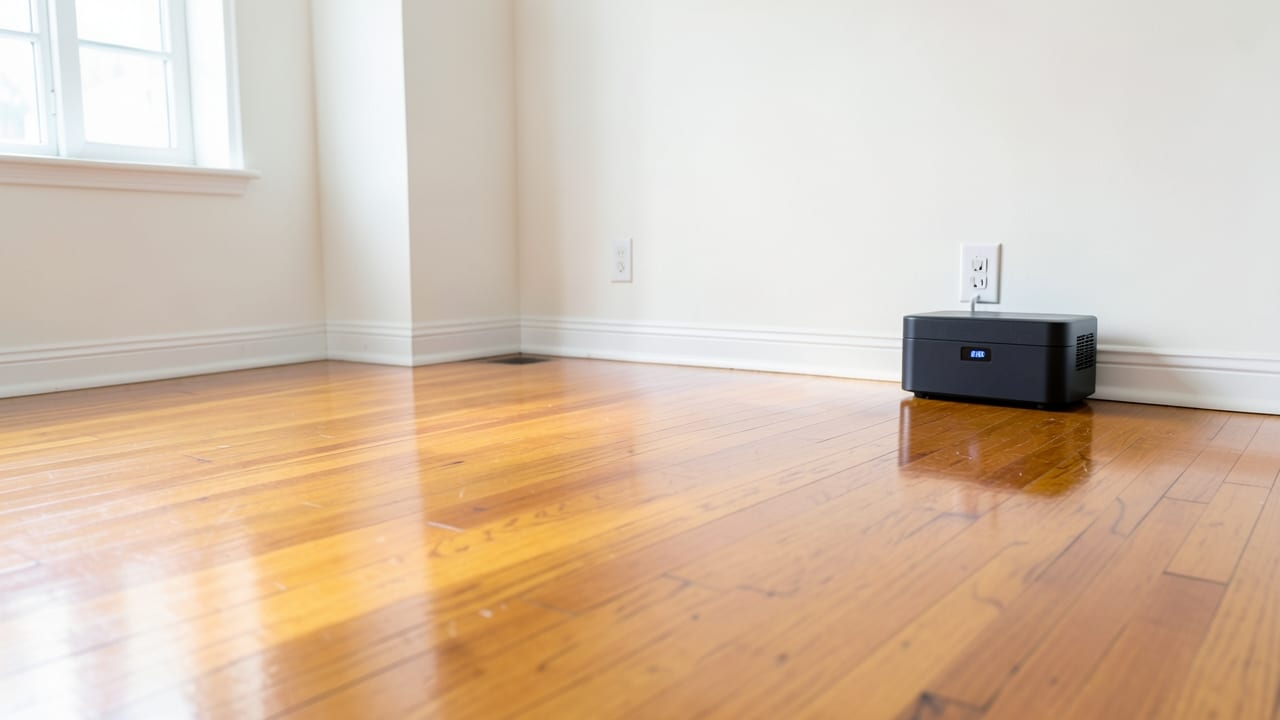
Pet Urine Mold Treatment in Schenectady, NY
Professional removal of mold caused by pet urine in homes, including assessment and treatment.
Learn More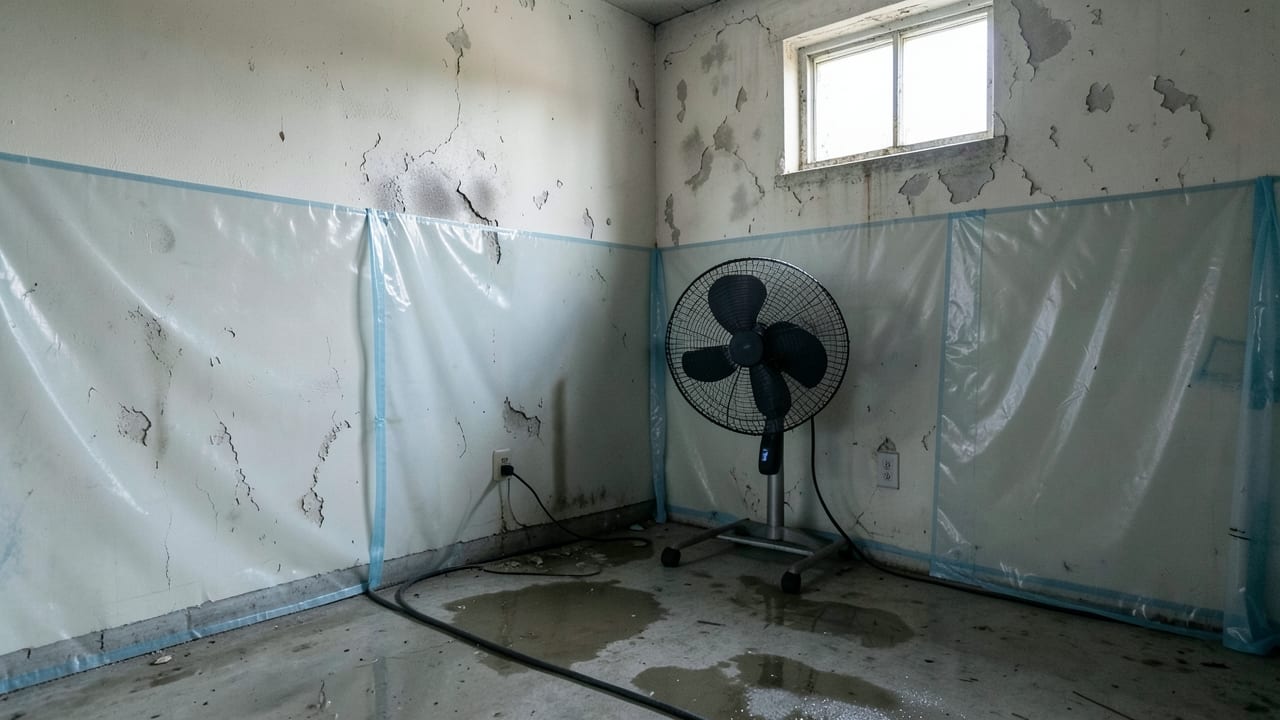
Storm Damage Mold Cleanup in Schenectady, NY
Professional cleanup and remediation of mold caused by storm-related water damage in homes.
Learn More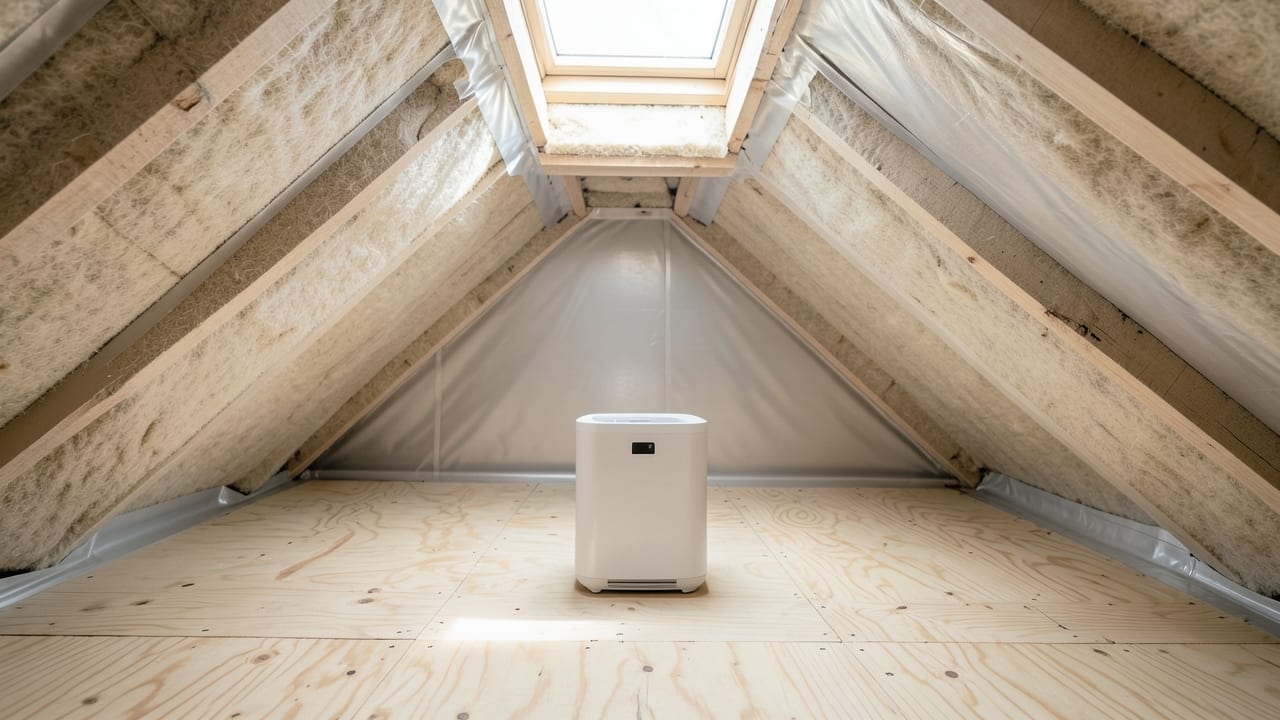
Pre-Winter Mold Prevention in Schenectady, NY
Pre-winter mold prevention involves inspection and treatment to stop mold growth before cold weather.
Learn More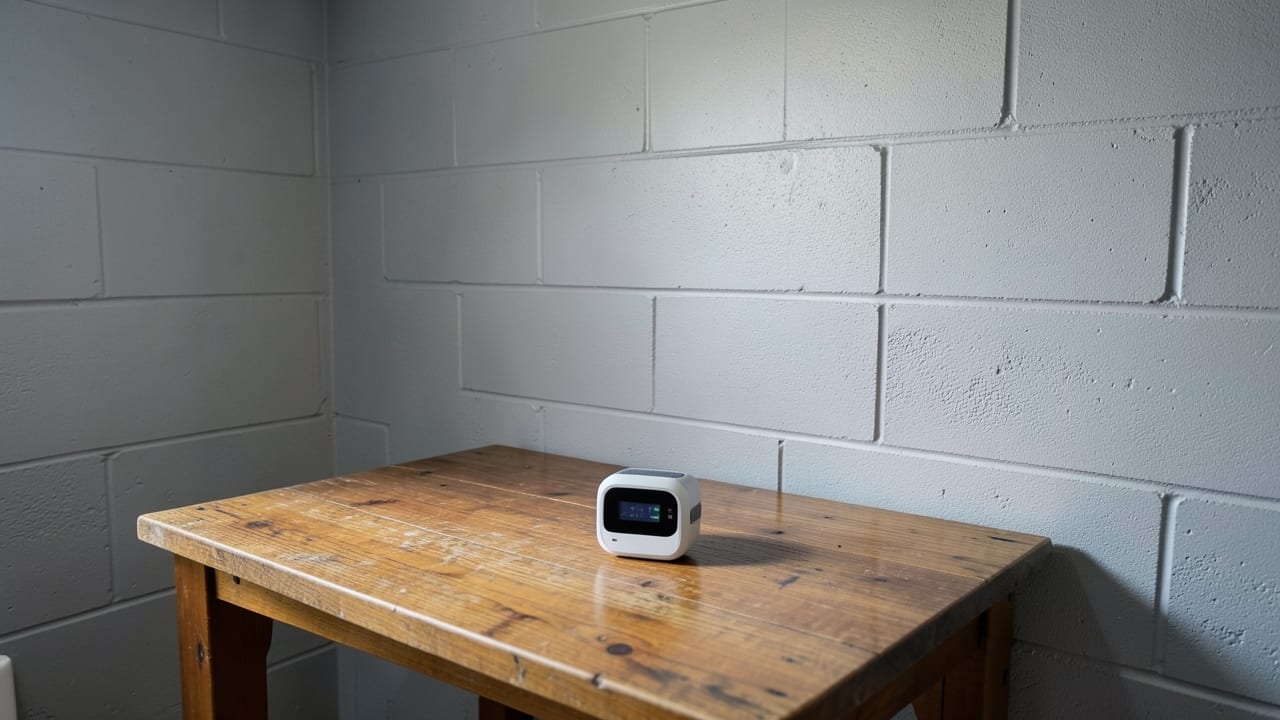
Pre-Sale Mold Clearance in Schenectady, NY
Pre-sale mold clearance involves inspection and testing to confirm a property is mold-free before purchase.
Learn More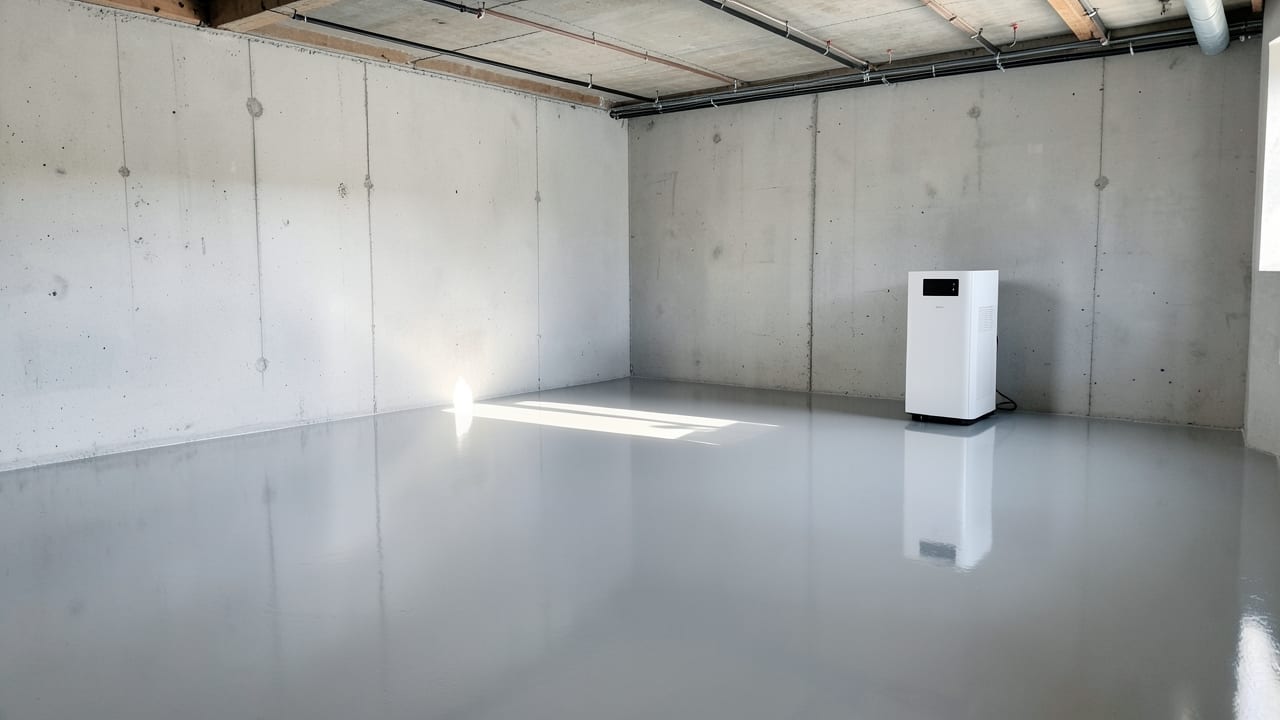
Post-Remediation Sealing in Schenectady, NY
Applying protective sealants to surfaces after mold remediation to prevent future growth.
Learn More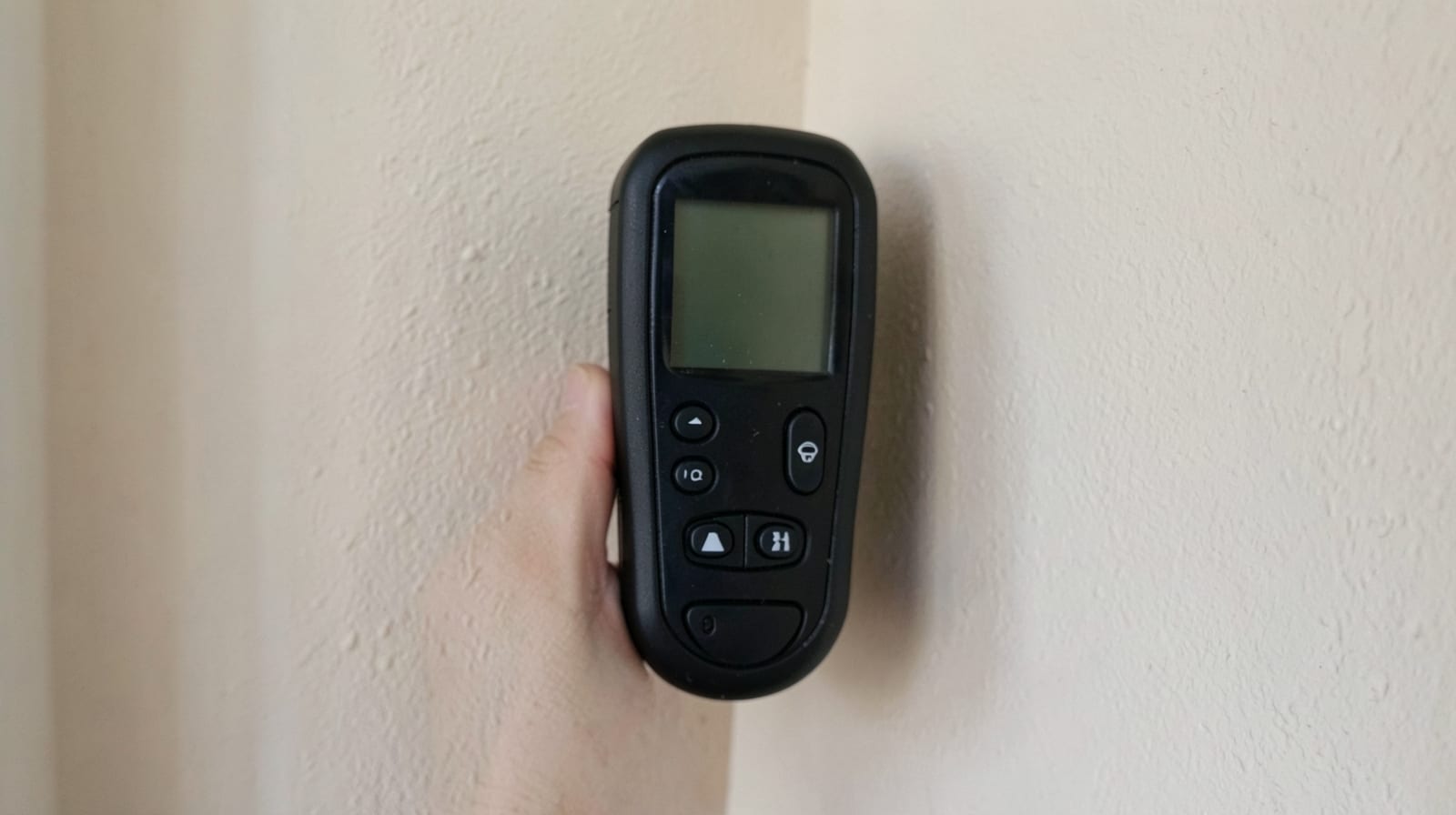
Mold Inspection in Schenectady, NY
Mold inspection in Schenectady, NY — a visual and moisture-meter assessment that finds the source of growth, not just the visible spot on the wall.
Learn MoreCommon Questions About Mold Remediation in Schenectady
Everything you need to know about mold remediation services in Schenectady
How much does Apartment Mold Remediation typically cost in Schenectady, NY?
Why does Schenectady, NY's humidity make mold a bigger risk than in drier regions?
What's the actual difference between mold removal and mold remediation?
Is a final clearance test part of a typical mold remediation job?
How does mold remediation actually prevent the problem from coming back?
Can mold growing inside HVAC ductwork spread to the rest of a home?
Need Mold Remediation in Schenectady?
Connect with local providers in Schenectady for a detailed quote.
⏰ We answer your call • Serving all of Schenectady and surrounding areas